• About Me Card

Max Hemingway

~ Musings as I work through life, career and everything.

Max Hemingway

Category Archives: STEM

Celebrating 150+ Hours of STEM Impact

03 Tuesday Feb 2026

Posted by Max Hemingway in 21st Century Human, STEM

≈ Leave a comment

Tags

21st Century Human, STEM

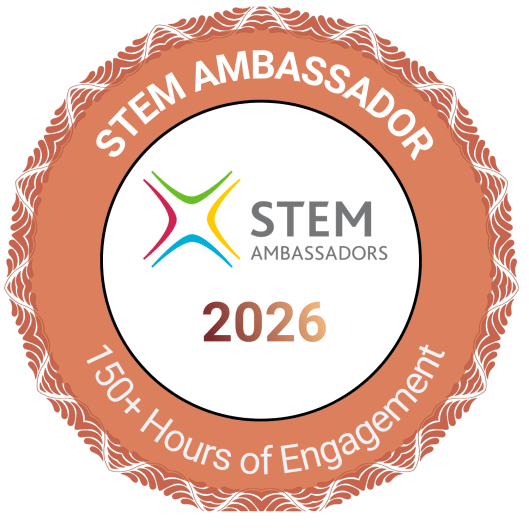
Today marks a milestone I’m incredibly proud to celebrate after recieving an email from STEM Ambassadors with a Bronze badge surpassing 150 hours of STEM volunteering.

Each year we will mark your cumulative volunteering hours with one of our digital badges to recognise all the volunteering hours you’ve completed since becoming a STEM Ambassador. This year’s badge includes all your volunteering hours up to 31 December 2025. Badges will now be issued once a year, so your next one will arrive in January 2027. – From the STEM Email I received.

What began as a commitment to give back has grown into one of the most rewarding parts of my work, helping young people discover the possibilities of science, technology, engineering and mathematics.

Reaching 150 hours is not just a number for me, it is a reminder of the brilliant young people I’ve met, the questions that have challenged me and the excitement that comes from helping someone take their first step toward a future in tech. Their enthusiasm is infectious and it motivates me to keep showing up, sharing knowledge and championing STEM wherever I can.

Through the STEM Ambassador programme, I’ve had the opportunity to support schools, colleges, community groups and regional initiatives that have opened doors, expanded knowledge and thinking for the next generation. I have achieved this through delivering hands‑on workshops, speaking at STEM events, participating in outreach programmes and supporting digital skills activities, every hour has contributed to building curiosity, confidence and opportunity.

Across the wider region and UK, STEM Ambassadors are making a tremendous impact, with thousands of hours logged collectively and ambitious new targets being set year after year.

I’m grateful to be part of a programme that recognises the value of volunteering, supports continuous development and encourages individuals, companys and industries to push for even greater impact. Here’s to the next 150 hours and many more opportunities to help shape the innovators, creators and problem‑solvers of tomorrow.

Find out more about being a STEM Ambassador at: https://www.stem.org.uk/stem-ambassadors

Share this:

  • Share on Facebook (Opens in new window) Facebook
  • Share on LinkedIn (Opens in new window) LinkedIn
  • Email a link to a friend (Opens in new window) Email
  • Share on Pinterest (Opens in new window) Pinterest
  • Share on Reddit (Opens in new window) Reddit
  • Share on X (Opens in new window) X
  • Share on Tumblr (Opens in new window) Tumblr
  • Share on Pocket (Opens in new window) Pocket
  • Share on Telegram (Opens in new window) Telegram
  • Share on Threads (Opens in new window) Threads
  • Share on WhatsApp (Opens in new window) WhatsApp
  • Share on Mastodon (Opens in new window) Mastodon
  • Share on Bluesky (Opens in new window) Bluesky
  • Share on Nextdoor (Opens in new window) Nextdoor
Like Loading...

The Impact of Mentorship in Tech Education

08 Sunday Dec 2024

Posted by Max Hemingway in 21st Century Human, STEM

≈ Leave a comment

Tags

21st Century Human, mentoring, STEM

In the ever-evolving landscape of technology and education, mentorship plays a pivotal role in helping to shaping the future of the industry. As technology progresses at a breakneck pace, continuous learning and effective mentorship have become essential components for success. Mentorship not only bridges the gap between theoretical knowledge and practical application but also fosters a collaborative environment where innovation thrives.

I am just ending a 2 month STEM mentoring programme where I have been mentoring students through a STEM platform. This has been an interesting and sometimes difficult way of mentoring someone as I am normally mentoring face to face or via a video conference call.

Interesting and sometimes difficult as you don’t really know the person on the other side of the screen as you might normally to help tailor advice and read body language to gauge if your advice and guidance is resonating. You can only ask and respond to questions which make you think longer and harder about the language and tone of your questions and answers, then sending them in and awaiting approval via the monitored and recorded platform. The great thing about the platform I was using was the help and guidance from the central team, stimulating conversation through suggesting topics to discuss for both mentor and mentee.

This experience has been educational to me as I hope as much for the students I have been helping. I have learnt more about considering my responses in a mentoring session and about the value and outcomes of the answers I have given, which I will be taking into my other mentoring sessions.

The main lesson for me has been about being more succinct in a written response and writing in a way to keep it engaging for the students. They wanted to hear about experiences have been and what lessons have been learnt. Tailoring and customising advice and support to help them learn to overcome specific challenges, for instance mastering a new programming language in short paragraphs and not into a book is a good skill for anyone to learn. As the saying goes Keep it Simple!

Looking further a field though outside of STEM opportunities there is a gap of industry mentoring back into education to help bridge the gap between students taking courses and graduating, and joining the business world.

The key benefits of this would be:

  • Personalised guidance and support
  • Bridging the gap between theory and practice
  • Building confidence and professional networks
  • Encouraging lifelong learning
  • Promoting diversity and inclusion

It would be good to see more of this type of mentoring going on to help fulfil the growing number of vacancies in the tech world and also encourage more students into the field of tech.

Share this:

  • Share on Facebook (Opens in new window) Facebook
  • Share on LinkedIn (Opens in new window) LinkedIn
  • Email a link to a friend (Opens in new window) Email
  • Share on Pinterest (Opens in new window) Pinterest
  • Share on Reddit (Opens in new window) Reddit
  • Share on X (Opens in new window) X
  • Share on Tumblr (Opens in new window) Tumblr
  • Share on Pocket (Opens in new window) Pocket
  • Share on Telegram (Opens in new window) Telegram
  • Share on Threads (Opens in new window) Threads
  • Share on WhatsApp (Opens in new window) WhatsApp
  • Share on Mastodon (Opens in new window) Mastodon
  • Share on Bluesky (Opens in new window) Bluesky
  • Share on Nextdoor (Opens in new window) Nextdoor
Like Loading...

‘If You Were An Engineer, What Would You Do?’

22 Monday May 2023

Posted by Max Hemingway in STEM

≈ Leave a comment

Tags

STEM

Over the past couple of weeks I have been supporting Primary Engineer with some judging panels of entries to their competition “If You Were An Engineer, What Would You Do?”.

The competition was open to all primary and secondary schools in the UK and this is its 10th year of running.

Judging the entries was a great experience, taking part in three of the panels in the North West. It was interesting to see the unconstrained thinking of the Young People and as the entry levels grew in ages, the more constraints that could be seen and number of entries.

There were some excellent entries looking at innovative solutions to real world problems, but I cant mention any due to the competition rules.

Its great that these types of competitions exist and would encourage schools to get involved with Primary Engineer and their competitions.

Looking forward to seeing their next competitions and activities. Primary Engineer have a Micro:bit set of activities coming and schools can register.

Share this:

  • Share on Facebook (Opens in new window) Facebook
  • Share on LinkedIn (Opens in new window) LinkedIn
  • Email a link to a friend (Opens in new window) Email
  • Share on Pinterest (Opens in new window) Pinterest
  • Share on Reddit (Opens in new window) Reddit
  • Share on X (Opens in new window) X
  • Share on Tumblr (Opens in new window) Tumblr
  • Share on Pocket (Opens in new window) Pocket
  • Share on Telegram (Opens in new window) Telegram
  • Share on Threads (Opens in new window) Threads
  • Share on WhatsApp (Opens in new window) WhatsApp
  • Share on Mastodon (Opens in new window) Mastodon
  • Share on Bluesky (Opens in new window) Bluesky
  • Share on Nextdoor (Opens in new window) Nextdoor
Like Loading...

STEM – Hypothetical Big Questions – Robots

01 Tuesday Sep 2020

Posted by Max Hemingway in Robotics, STEM

≈ Leave a comment

Tags

Robotics, STEM

Back in June I wrote some hypothetical questions for an online STEM event. These are meant to provoke discussion.

Setting the Scene

In todays world there are lots of advancements in the technologies in areas such as 3D Printing, Robotics and Artificial Intelligence helping to solve problems. Examples are the use of robots to build cars more efficiently and quickly, to now being able to 3D print the parts needed to make the car and now being built with the ability to drive themselves. Robots are not always mechanical things, software can also be a robotic process that automates something.

Hypothetical Big Questions

Will Robots eventually take over everyone’s jobs?

How would you feel if robots did all the work and what would you do all day?

How would you earn money to live?

My View

I have previously discussed this in a past post in the form of a short story “I Lost my Job to a Robot“. Whats your view?

https://twitter.com/STEMteamHUB_TP/status/1272899453918289923
Orignial Tweet

Share this:

  • Share on Facebook (Opens in new window) Facebook
  • Share on LinkedIn (Opens in new window) LinkedIn
  • Email a link to a friend (Opens in new window) Email
  • Share on Pinterest (Opens in new window) Pinterest
  • Share on Reddit (Opens in new window) Reddit
  • Share on X (Opens in new window) X
  • Share on Tumblr (Opens in new window) Tumblr
  • Share on Pocket (Opens in new window) Pocket
  • Share on Telegram (Opens in new window) Telegram
  • Share on Threads (Opens in new window) Threads
  • Share on WhatsApp (Opens in new window) WhatsApp
  • Share on Mastodon (Opens in new window) Mastodon
  • Share on Bluesky (Opens in new window) Bluesky
  • Share on Nextdoor (Opens in new window) Nextdoor
Like Loading...

STEM Activity 2018-19

28 Tuesday Jan 2020

Posted by Max Hemingway in STEM

≈ Leave a comment

Tags

STEM

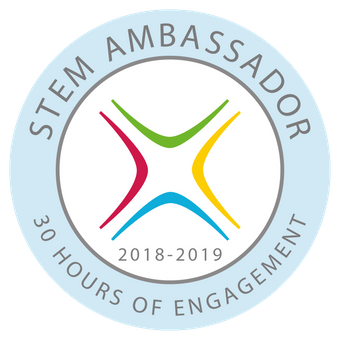
STEM-Ambassadors-30-hoursHaving just received my STEM Badge for 2018/19, I was very pleased to be awarded a “30 Hours of Engagement” badge.

Over the year I have visited schools, events and other youth organisations such as Scouts to promote STEM, run and take part in activities and show why STEM subjects are important for young people to learn in School, College and University.

Being a STEM Ambassador is an important role and and its not just the young people that gain from sessions but teachers as well learning how businesses are using these skills for students in their possible future careers.

Here are a couple of videos and pictures from some of the events I have helped with.

Stemettes Hack Chorley with DXC and Stemettes

Chorley Hack with Chorley Council


Coding with Scouts for their Digital Badges

STEM6
STEM4


Share this:

  • Share on Facebook (Opens in new window) Facebook
  • Share on LinkedIn (Opens in new window) LinkedIn
  • Email a link to a friend (Opens in new window) Email
  • Share on Pinterest (Opens in new window) Pinterest
  • Share on Reddit (Opens in new window) Reddit
  • Share on X (Opens in new window) X
  • Share on Tumblr (Opens in new window) Tumblr
  • Share on Pocket (Opens in new window) Pocket
  • Share on Telegram (Opens in new window) Telegram
  • Share on Threads (Opens in new window) Threads
  • Share on WhatsApp (Opens in new window) WhatsApp
  • Share on Mastodon (Opens in new window) Mastodon
  • Share on Bluesky (Opens in new window) Bluesky
  • Share on Nextdoor (Opens in new window) Nextdoor
Like Loading...

Cardboard & Electronics Education

30 Monday Apr 2018

Posted by Max Hemingway in Innovation, Programming, STEM, Tools

≈ Leave a comment

Tags

Coding, Innovation, learning, STEM, Tools

cardboardCardboard has been a part of childhood learning for a very long time, however its use has evolved from building things, making dens or sliding down grassy hills on it. The evolution on how this material is being used in learning is changing at a fast rate.
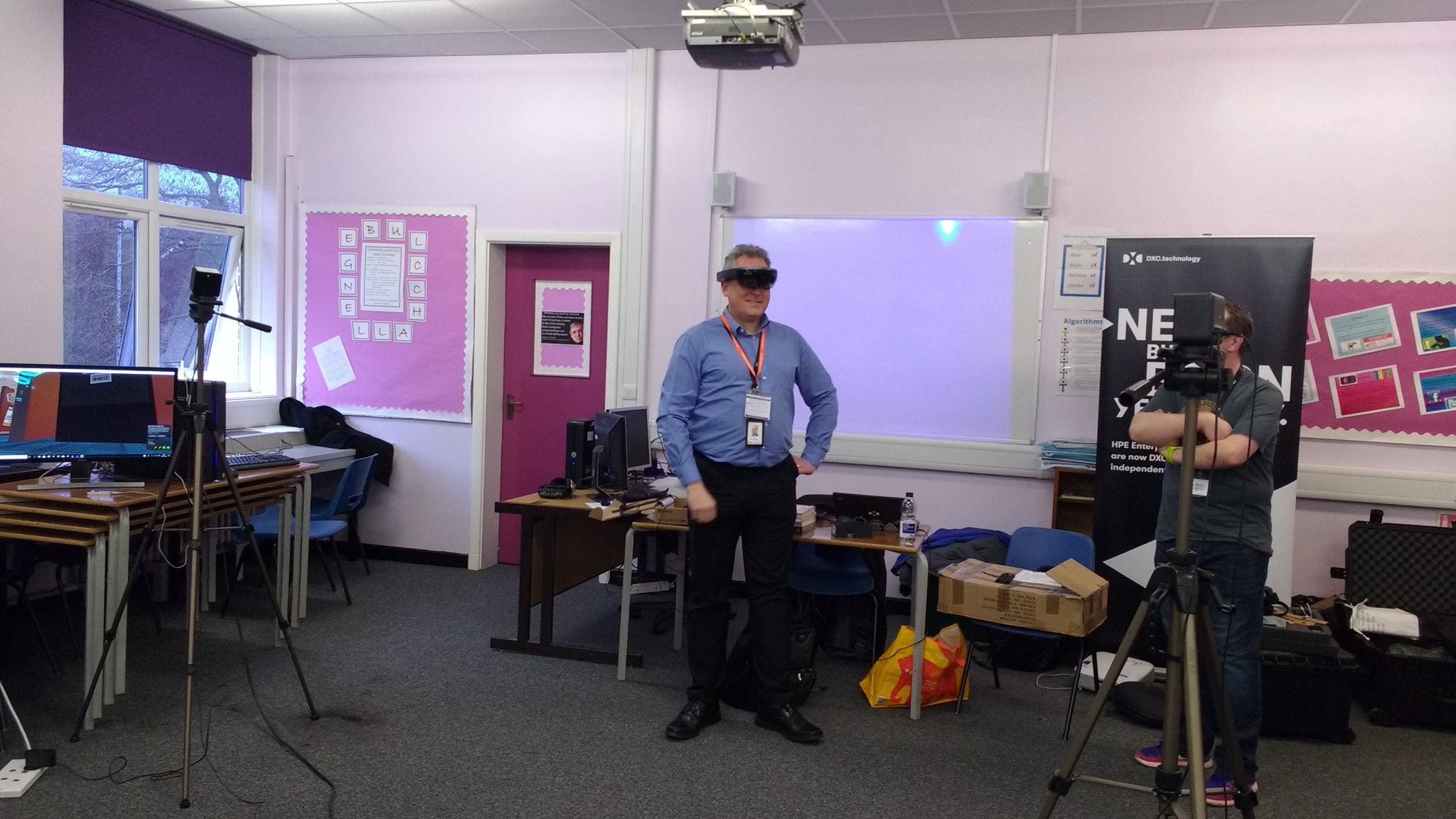
Google have been leading the way with the Google Cardboard Viewer that you can put your phone in and experience Virtual Reality at a low cost (phone excluded). There is now an increase of  cardboard kits available and coming on to the market, especially with kits like the Raspberry PI.

Here are some of the kits:

Google Cardboard

A cardboard viewer that allows you to use your mobile phone as a VR device.

https://vr.google.com/cardboard/

Google Voice

A cardboard kit incorporating a Raspberry PI and speaker that uses Google Home as a Voice Assistant. The kit contains a Google Bonnet board that provides functionality to the Raspberry PI and components.

https://aiyprojects.withgoogle.com/voice/

Google Vision

A cardboard kit incorporating a Raspberry PI and camera that uses Machine Learning to recognise objects. The kit contains a Google Bonnet board that provides functionality to the Raspberry PI and components.

https://aiyprojects.withgoogle.com/vision

IBM TJ Bot

A cardboard robot that you can build and incorporate a Raspberry PI to experience AI using IBM Watson.

https://www.ibm.com/ibm/responsibility/initiatives/activitykits/tjbot/

Nintendo Labo

A set of cardboard modules that can be used with a Nintendo Switch

https://www.nintendo.co.uk/Nintendo-Labo/Nintendo-Labo-1328637.html

These kits provide a great platform to build on existing skills and learn new skills using reasonably priced components.

Move over Plastics – Cardboard is here (again) !!!

Do you know of any other cardboard kits not listed above?

Share this:

  • Share on Facebook (Opens in new window) Facebook
  • Share on LinkedIn (Opens in new window) LinkedIn
  • Email a link to a friend (Opens in new window) Email
  • Share on Pinterest (Opens in new window) Pinterest
  • Share on Reddit (Opens in new window) Reddit
  • Share on X (Opens in new window) X
  • Share on Tumblr (Opens in new window) Tumblr
  • Share on Pocket (Opens in new window) Pocket
  • Share on Telegram (Opens in new window) Telegram
  • Share on Threads (Opens in new window) Threads
  • Share on WhatsApp (Opens in new window) WhatsApp
  • Share on Mastodon (Opens in new window) Mastodon
  • Share on Bluesky (Opens in new window) Bluesky
  • Share on Nextdoor (Opens in new window) Nextdoor
Like Loading...

Discussing STEM subjects in the Classroom

19 Monday Mar 2018

Posted by Max Hemingway in STEM

≈ Leave a comment

Tags

STEM

STEM in the Classroom

Its been a while since I last blogged (apologies for that), but  I have had a lot on recently. So here is a catch up on one of the activities I have been doing.

Recently I have had an opportunity with two colleagues, to attend a school and take 4 classes (1 hour each class) and talk to them about STEM (Science, Technology, Engineering and Math’s) and what is happening in business around Augmented Reality, Virtual Reality and Mixed Reality. I also took some headsets along for the pupils to try (HTC Vive, Hololens, Gear VR and RealWear) as well as a hand held scanner for taking scans of real world objects to put in to the virtual world.

I ran 20-30 mins of discussion followed by the rest of the time with the pupils trying out the items I had taken along for them to look at how they can be used and to inspire them in looking at STEM subjects in their subject choices.

It was a great experience to take 4 classes and effectively being a teacher for them and it was certainly different to be called “Sir” instead of “Max” and took a bit of getting used to.

I used a mobile phone as a basis to explain why STEM subjects are important as all the pupils had one and went through how Science, Technology, Engineering and Math’s subjects/skills are used in the creation of the device and why they are important.

The pupils certainly enjoyed their experience trying the different types of realities and using some voice controls instead of keyboards to invoke applications and tasks. I hope that I have helped inspire some to take the subjects going forward and wish them all well with their choices, exams and future careers.


Share this:

  • Share on Facebook (Opens in new window) Facebook
  • Share on LinkedIn (Opens in new window) LinkedIn
  • Email a link to a friend (Opens in new window) Email
  • Share on Pinterest (Opens in new window) Pinterest
  • Share on Reddit (Opens in new window) Reddit
  • Share on X (Opens in new window) X
  • Share on Tumblr (Opens in new window) Tumblr
  • Share on Pocket (Opens in new window) Pocket
  • Share on Telegram (Opens in new window) Telegram
  • Share on Threads (Opens in new window) Threads
  • Share on WhatsApp (Opens in new window) WhatsApp
  • Share on Mastodon (Opens in new window) Mastodon
  • Share on Bluesky (Opens in new window) Bluesky
  • Share on Nextdoor (Opens in new window) Nextdoor
Like Loading...

STEM – Gaining Inspiration

27 Tuesday Feb 2018

Posted by Max Hemingway in STEM

≈ Leave a comment

Tim Peakes Soyuz CapsuleEncouraging young people to take STEM subjects is not always an easy task when you are speaking with them at career events.

Finding talking points is a great way to start the conversation. Normally this is based around the roles I have carried out in my career and my own experiences at school, however this will be one of my references in future conversations.

Last weekend whilst on a trip I was fortunate to be in the right place at the right time to go and see Tim Peakes Soyuz capsule (Soyuz TMA-19M). The spacecraft that brought him back to earth on 18th June 2016, following his mission on the International Space Station.

This is a great example of all the STEM subjects coming together. For example:

  • Science – working out how to get someone into space and safely back again. Also what to do whilst they are in space.
  • Technology – to control the craft and communications.
  • Engineering – to build the craft and ensure its durability leaving and entering the earths atmosphere.
  • Maths – to work out all those complex calculations behind the Science, Technology and Engineering.

The capsule was once white and its current colour is from the burning and charring caused by the intense heat during re-entry.

The capsule is on tour so if you are in the UK, it may be coming to a location near you https://group.sciencemuseum.org.uk/our-work/tim-peakes-spacecraft-tour/

What do you use as subjects and topics do you use?

Share this:

  • Share on Facebook (Opens in new window) Facebook
  • Share on LinkedIn (Opens in new window) LinkedIn
  • Email a link to a friend (Opens in new window) Email
  • Share on Pinterest (Opens in new window) Pinterest
  • Share on Reddit (Opens in new window) Reddit
  • Share on X (Opens in new window) X
  • Share on Tumblr (Opens in new window) Tumblr
  • Share on Pocket (Opens in new window) Pocket
  • Share on Telegram (Opens in new window) Telegram
  • Share on Threads (Opens in new window) Threads
  • Share on WhatsApp (Opens in new window) WhatsApp
  • Share on Mastodon (Opens in new window) Mastodon
  • Share on Bluesky (Opens in new window) Bluesky
  • Share on Nextdoor (Opens in new window) Nextdoor
Like Loading...

Technology Couch Podcast – Episode 2

01 Thursday Feb 2018

Posted by Max Hemingway in Podcasts, STEM

≈ Leave a comment

Tags

Podcasts, STEM, Technology Couch Podcast

Technology Couch Podcasthttps://maxhemingway.com/wp-content/uploads/2018/01/technology-couch-podcast-episode-2.mp3

Episode 2

In this episode I am joined by Miranda Webb (https://twitter.com/mirandakaywebb1) and discuss Women in IT and Leadership, gender pay gap and STEM.

The podcast is also available in iTunes https://itunes.apple.com/gb/podcast/technology-couch-podcast

Podcast References:

  • http://www.northernpowerwomen.com/
  • http://forwardladies.com/
  • https://www.16personalities.com/free-personality-test

Suggested Reading from Miranda:

  • Now, Discover Your Strengths: and/or Strengths Based Leadership & redeem the gallop strengths finder 2.0 code
  • Site Reliability Engineering
  • The Phoenix Project
  • Black Box Thinking
  • Our Iceberg is Melting

Share this:

  • Share on Facebook (Opens in new window) Facebook
  • Share on LinkedIn (Opens in new window) LinkedIn
  • Email a link to a friend (Opens in new window) Email
  • Share on Pinterest (Opens in new window) Pinterest
  • Share on Reddit (Opens in new window) Reddit
  • Share on X (Opens in new window) X
  • Share on Tumblr (Opens in new window) Tumblr
  • Share on Pocket (Opens in new window) Pocket
  • Share on Telegram (Opens in new window) Telegram
  • Share on Threads (Opens in new window) Threads
  • Share on WhatsApp (Opens in new window) WhatsApp
  • Share on Mastodon (Opens in new window) Mastodon
  • Share on Bluesky (Opens in new window) Bluesky
  • Share on Nextdoor (Opens in new window) Nextdoor
Like Loading...

Attending GitHub Satellite 2017

23 Tuesday May 2017

Posted by Max Hemingway in Development, Open Source, Programming, Raspberry Pi, STEM, Tools

≈ Leave a comment

Tags

Coding, Development, Open Source, Programming, RaspberryPI, STEM, Tools

Yesterday I attended GitHub Satellite 2017 in LondonGithub

https://github.com/blog/2313-join-us-for-github-satellite-2017-may-22-23-in-london-uk

The event was well attended and there was a good buzz around the conference. GitHub Marketplace was launched at the conference and some of the initial vendors in the Marketplace demonstrated how their applications can be used in the lifecycle of coding. You could watch demos and chat to the companies at their vendor stalls to gain further information.

Below are my notes from the conference and Key Note opening speeches

Opening

The opening lead by Chris Wanstrath (Co-Founder & CEO, GitHub) and Kyle Daigle (Senior Engineering Manager, GitHub)

  • GitHub has 21 Million Developers
  • 59 Million Projects using the platform.
  • Expanding into gaming with Githib for Unity
  • Extentions for Visual Studio

ATOM

  • Help guide the approach with ATOM
  • 2.1 million active users of ATOM

Electron

  • GitHub desktop GUI new version based on electron. Open Source to allow it to be developed by community.
  • Electron platform for building desktop apps. Runs cross platforms.
  • Companies using electron to build internal apps.
  • Seeing big fortune 500 companies using electron for web, mobile and desktop apps.

GitHub as a platorm

  • Now 9 years old.
  • Today more API traffic than UI traffic
  • 5+ million users use integration
  • OAuth growing doubling each year
  • API ‘s have not been developed and remained static….. 9 years old.

World moving to a new world of API’s. Moving on from SOAP to REST to what’s next.What is the future of API’s:

GraphQL

  • Build queries on data you need.
    • Powering new features of GitHub
    • Suggested reviewers
    • Projects
    • Topics
  • 125 million GraphSQL internal queries a day.
  • GraphQL is open source.

GitHub Apps

  • Fine grain permissions
  • Choose how you want to give access to repositories
  • Using bots in Integrations

GitHub Marketplace (Launching today)

  • Find tools that meet your workflows best.
  • Pricing plans in marketplace
  • Marketplace has option to join and apply to be part of Marketplace.

Build and Grow Sessions

There were a number of sessions held in either the Build or Grow track which attendees could join.

I went to sessions in both tracks including the session on Building Interconnected Workflows which featured companies in the newly launched Market Place. Heard from these companies on how their products could be used in conjunction for a full code project lifecycle, which was interesting and good to hear.

Vitor Monteiro, GitHub
Andrew Homeyer, Waffle.io
Danielle Tomlinson, CircleCI
Jaime Jorge, Codacy
Cory Virok, Rollbar

There was a good session on Women in IT from Amy Dickens from the University of Nottingham which also covered topics of diversity and how workplaces and attitudes can change to make a difference.

Closing Session

The closing session was run by Marc Scott from the Raspberry PI Foundation who gave an overview of the Foundation, what it does and how the community can help review projects and sumbit projects for others to practice, learn from and enjoy. Also helping by joining local coding groups to pass on knowledge.

Sessions were streamed and Im hoping that replays are availble to catch up with the sessions I couldnt get to.

Unfortunately I could not get to todays workshop sessions but again hoping for streams of these following the event.

Share this:

  • Share on Facebook (Opens in new window) Facebook
  • Share on LinkedIn (Opens in new window) LinkedIn
  • Email a link to a friend (Opens in new window) Email
  • Share on Pinterest (Opens in new window) Pinterest
  • Share on Reddit (Opens in new window) Reddit
  • Share on X (Opens in new window) X
  • Share on Tumblr (Opens in new window) Tumblr
  • Share on Pocket (Opens in new window) Pocket
  • Share on Telegram (Opens in new window) Telegram
  • Share on Threads (Opens in new window) Threads
  • Share on WhatsApp (Opens in new window) WhatsApp
  • Share on Mastodon (Opens in new window) Mastodon
  • Share on Bluesky (Opens in new window) Bluesky
  • Share on Nextdoor (Opens in new window) Nextdoor
Like Loading...
← Older posts

Follow Me on LinkedIn

www.linkedin.com – Click to Follow 

RSS Feed

RSS Feed RSS - Posts

Other Publications I contribute to

https://sparrowhawkbushcraft.com/

Recent Posts

  • Unlocking the Benefits of Journaling
  • Mastering Engaging Presentations: Tips for Captivating Your Audience
  • The Business Value of Enterprise Architecture Explored
  • Celebrating 150+ Hours of STEM Impact
  • The Importance of ArchiMate and UML in Modern Organisations

Categories

  • 21st Century Human
  • 3D Printing
  • AI
  • Applications
  • ArchiMate
  • Architecture
  • Arduino
  • Automation
  • BCS
  • Big Data
  • Certification
  • Climate Change
  • Cloud
  • Cobotics
  • Connected Home
  • Data
  • Data Fellowship
  • Data Science
  • Development
  • DevOps/OpsDev
  • Digital
  • DigitalFit
  • Drone
  • Enterprise Architecture
  • F-TAG
  • Governance
  • Health
  • Innovation
  • IoT
  • IT Strategy
  • Machine Learning
  • Metaverse
  • Micro:Bit
  • Mindset
  • Mobiles
  • Networks
  • Open Source
  • Podcasts
  • Productivity
  • Programming
  • Quantum
  • Raspberry Pi
  • Robotics
  • Scouting
  • Scouts
  • Security
  • Smart Home
  • Social Media
  • Space
  • STEM
  • Story Telling
  • Technologists Toolkit
  • Tools
  • Uncategorized
  • Wearable Tech
  • Windows
  • xR

Archives

Reading Shelf

Archives

Recent Posts

  • Unlocking the Benefits of Journaling
  • Mastering Engaging Presentations: Tips for Captivating Your Audience
  • The Business Value of Enterprise Architecture Explored
  • Celebrating 150+ Hours of STEM Impact
  • The Importance of ArchiMate and UML in Modern Organisations

Top Posts & Pages

  • Mastering Engaging Presentations: Tips for Captivating Your Audience
  • The Business Value of Enterprise Architecture Explored
  • The Importance of ArchiMate and UML in Modern Organisations
  • Personal Knowledge Management System – Revised for 2020
  • Unlocking the Benefits of Journaling
  • The Quotient Revolution: Building the Well-Rounded Person
  • Preparing for Post Quantum Security: Key EA Strategies
  • A formula for Innovation
  • Architecture in Practice
  • A-Z of Digital – K is for Knowledge

Category Cloud

21st Century Human Architecture Big Data Cloud Data Data Science Development DevOps/OpsDev Digital DigitalFit Enterprise Architecture Governance Innovation IoT Machine Learning Mindset Open Source Podcasts Productivity Programming Raspberry Pi Robotics Security Social Media STEM Story Telling Technologists Toolkit Tools Uncategorized Wearable Tech

Tags

3D Printing 21st Century Human AI Applications ArchiMate Architecture Automation BCS Big Data Blockchain business Certification Cloud Cobot Cobotics Coding Communication Connected Home CPD cybersecurity Data Data Fellowship Data Science Delivery Development DevOps Digital DigitalFit Digital Human Drone Email Enterprise Architecture Governance GTD Infographic Information Theory Innovation IoT Journal Knowledge learning Machine Learning Metaverse MicroLearning Mindset Mixed Reality Networks Open Source OpsDev PKMS Podcasts Productivity Programming Proving It Quantum quantum-computing R RaspberryPI Robot Robotics Scouts Security Smart Home Social Media STEM Story Telling Technologists Toolkit technology Technology Couch Podcast Thinking Tools Visualisation Voice Wearable Tech xR

License

Creative Commons Licence
This work is licensed under a Creative Commons Attribution-NonCommercial-ShareAlike 4.0 International License.

Meta

  • Create account
  • Log in
  • Entries feed
  • Comments feed
  • WordPress.com

Blog at WordPress.com.

  • Subscribe Subscribed
    • Max Hemingway
    • Join 82 other subscribers
    • Already have a WordPress.com account? Log in now.
    • Max Hemingway
    • Subscribe Subscribed
    • Sign up
    • Log in
    • Report this content
    • View site in Reader
    • Manage subscriptions
    • Collapse this bar
 

Loading Comments...
 

    %d