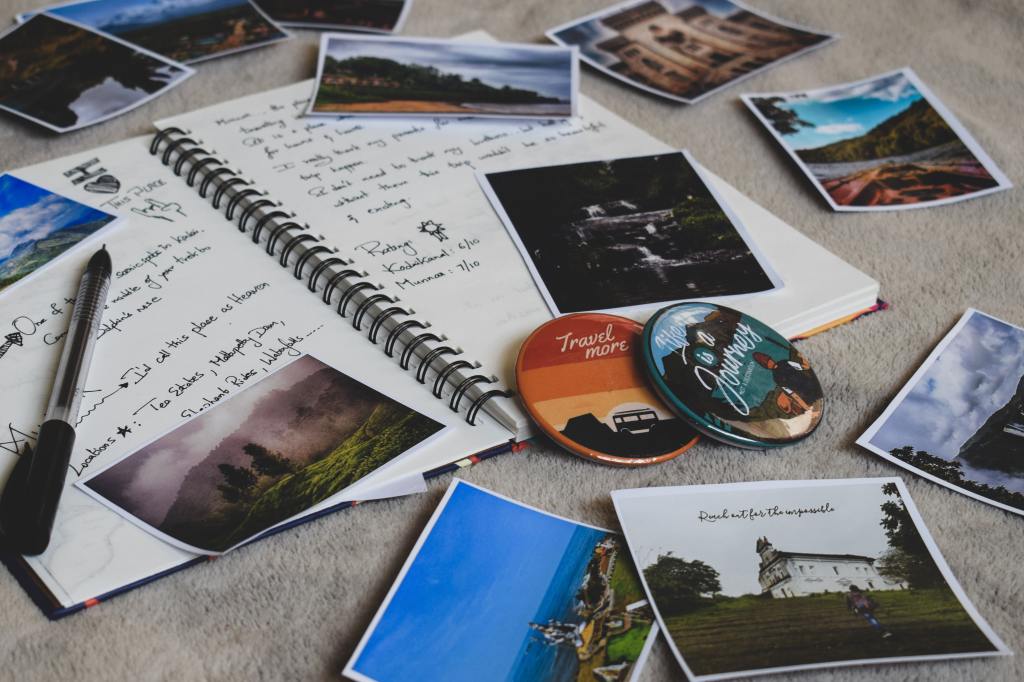
Journaling is a simple habit as I discussed in a previous blog post (Ditch Resolutions: Embrace Habit-Building for Success). It is just about writing down your thoughts, feelings, notes, or anything else that comes to mind. I last wrote about my journalling in 2021 – Journaling my Daily Musings and I am now on journal 41 and over 7000 pages of about 18 years worth of daily notes. That is certainly a legacy I will be leaving for my family to read through (if they do).
People journal for all sorts of reasons such as a personal or work based journal and across different mediums of paper and digital. Some want to clear their heads, track their habits or work through tough feelings. Others may just want a record of their life. There’s no right or wrong reason to start and no set time to start either.
Research also shows journaling can help with stress, anxiety, mental health and emotional wellbeing. The University of Rochester Medical Center has found that writing about your feelings can make it easier to manage anxiety and depression.
The Benefits: Real Reasons People Journal
- Helps reduce stress and clear your mind
- Makes it easier to understand your emotions
- Can boost creativity and new ideas
- Supports tracking goals and daily habits
- Gives you a personal record of memories
- Helps build good habits
Start Journaling: Simple Steps
Starting a journal does not need to be about being a perfect writer or having a fancy notebook and pen or laptop/tablet.
- Pick Your Format: You can write in a notebook, on your phone, or on your device. If your using your device there are plenty of journaling apps available
- Start Small: You don’t have to write reams of pages/text. Start with two or three sentences, a short paragraph or a quick list.
- Set a Time That Suits You: Some people may like mornings, I personally like to journal in the mornings and catch up with anything from the previous day and set out my day ahead. Othera may prefer evenings. There’s no best time and you should go with fits your day. It is important though to stick to this time to help make journalling a habit.
- Time taken to Journal: Start small again. Five minutes can be enough. Your goal should be to write something, not to write the most perfect journal. You will improve over time.
- Let Go of Judgement: Your journal is for you (and anyone you choose to read it). Write honestly, and in your style of writing. Don’t worry about spelling, grammar or crossing things out.
- Build It Into a Routine: Pair journaling with something you already do, I like to start the day with a good cup of coffee and journal. This is called “habit stacking” and is a simple way to be consistent.
Types of Journaling: Find Your Style
Journaling isn’t just “dear diary”. There are lots of ways to do it. Here are some popular types, with examples and links for more info:
Daily/Reflective Journaling
This is the “write about your day” approach. It is good for understanding emotions, processing events and building self-awareness.
- What stood out today
- How you felt and why
- Something you learned
For inspiration have a look at the reflective prompts from PositivePsychology.com at https://positivepsychology.com/journaling/.
Goal and Productivity Journaling
This is a structured way to stay focused and track progress and is the “bullet journal” approach. It is good for planners, habit trackers and self‑improvement.
- Daily priorities
- Weekly goals
- Wins and challenges
For inspiration have a look at the examples and structure of a bullet journal at https://bulletjournal.com.
Brain Dump Journaling
This journaling method is where you empty your mind onto the page (with no rules). It is good for reducing mental clutter and boosting focus.
- To‑dos
- Random ideas
For inspiration have a look at this productivity system Getting Things Done at https://gettingthingsdone.com.
Gratitude Journaling
This journaling method is a simple practice that boosts mood and perspective. It is good for helping to boost your positivity.
- Three things you’re grateful for
- A moment that made you smile
For inspiration have a look at this research from UC Berkeley’s Greater Good Science Center on gratitude journaling improves wellbeing at https://greatergood.berkeley.edu/article/item/how_gratitude_changes_you_and_your_brain.
Creative Journaling
This journaling method uses a blend of writing, doodling, collage and imagination. It is good for artists, visual thinkers and playful minds.
- Sketches
- Poems
- Quotes
- Mood boards
For inspiration have a look at this post by Gail Armstrong – Creative Journaling for Beginners https://medium.com/@gaildoodles/creative-journaling-for-beginners-99e4ff52cde9
Mindfulness or Meditation Journaling
This journaling method is for a calm, intentional style focusing on presence. It is good for reducing stress and grounding yourself.
- How your body feels
- Emotions present
- A daily intention
For inspiration have a look at this website by meditation teacher Jon Kabat‑Zinn https://www.mindfulnesscds.com.
Prompt Based Journaling
This journaling method is for providing structure or inspiration. It is good for overcoming the fear of a blank page and not knowing what to write.
- “What energized me today?”
- “What’s one thing I want to improve this month?”
- “What’s something I wish I could tell my younger self?”
You can find more prompts at sites like Journal Buddies (https://www.journalbuddies.com).
For inspiration on prompts have a look at this website Journal Buddies at https://www.journalbuddies.com/all-ages/
Tips for Sticking With Journaling
- Keep your journal somewhere you’ll see it such as on your desk, by your bed or in your bag
- Don’t worry about writing every day. It is okay to skip days if you need to.
- Re-read old entries sometimes to see how your journalling style is improving and to notice what’s changed.
- Write for yourself and not for anyone else
Honest Encouragement
Journaling isn’t about being a writer, but about noticing your life and making sense of it, in your own way.
There’s no wrong way to do it. Start small, be honest and let the habit grow with you.
Futher Reading
James Clear – Atomic Habits Principles
Journaling for Mindfulness: 44 Prompts, Examples & Exercises
5 Benefits of Journaling for Mental Health
Ditch Resolutions: Embrace Habit-Building for Success




 Max Hemingway
Leave a comment